5 Common Car Problems We See at Our Mitcham Workshop
From flat batteries to overheating engines, here are the issues we see most often, and the early signs worth acting on.
Most car problems don't start with a dramatic breakdown.
They often begin with something small: the car takes a little longer to start, the brakes make a noise they didn't make before, a warning light appears, or the temperature gauge starts behaving differently.
After years of servicing and repairing cars at Macro Auto Services, these are some of the common problems we see, and the signs that tell you it's time to have them checked.
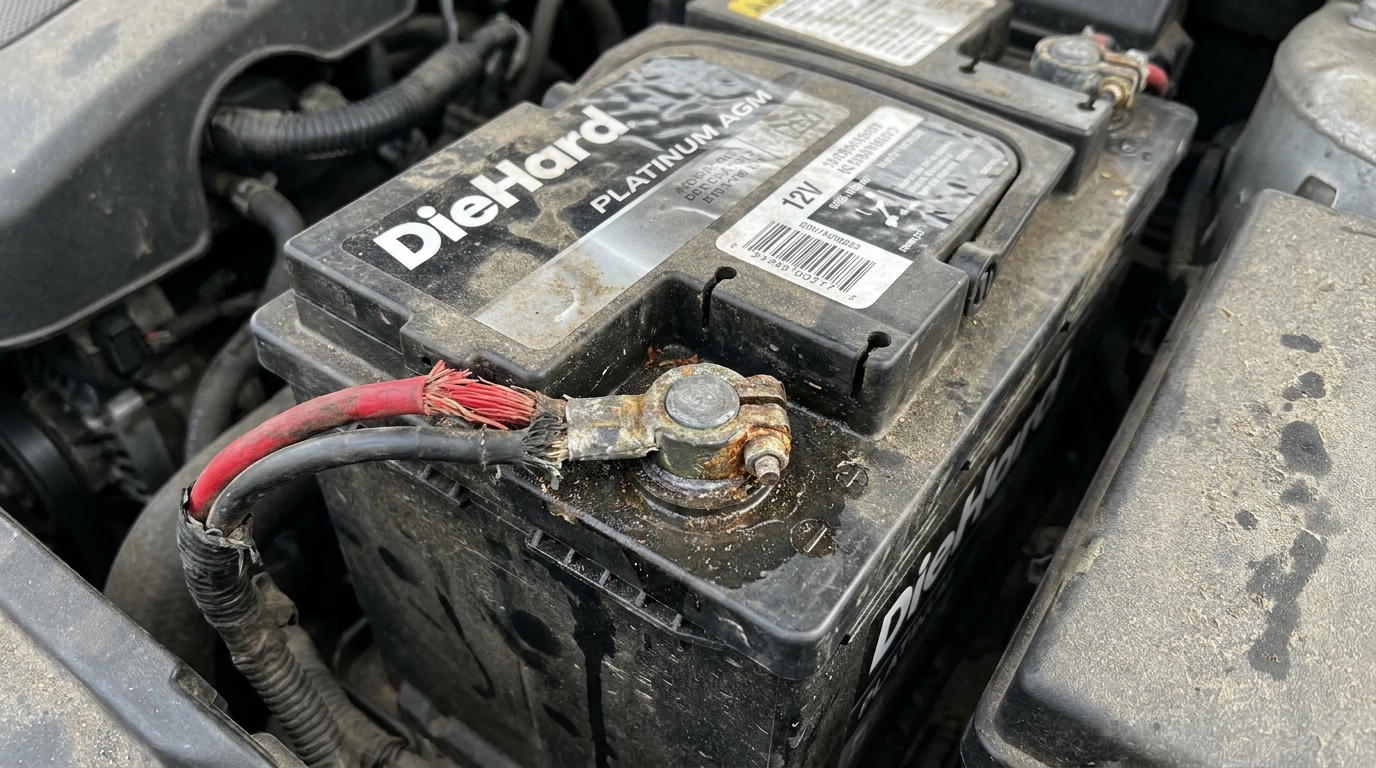
1. Battery and Starting Problems
You turn the key or press the start button and... not much happens.
A flat or failing battery is one possible cause, but starting problems aren't always as simple as replacing the battery.
You might notice:
The engine is slow to turn over
Clicking when you try to start
Lights or electronics behaving strangely
The car starts intermittently
You regularly need a jump-start
A mechanic can test the battery and charging system to determine whether the battery itself is failing or whether something else is causing the problem.
If your battery repeatedly goes flat, finding out why is more useful than simply replacing it and hoping for the best.
2. Brake Problems
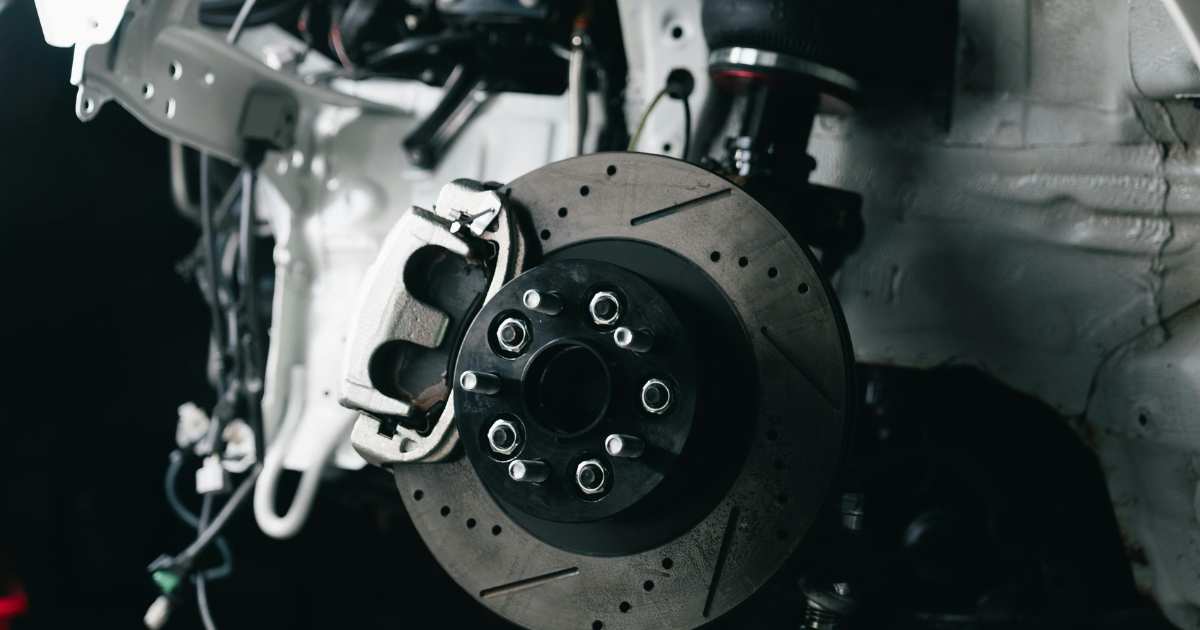
Brakes are one area where unusual behaviour deserves attention.
Common warning signs include:
Squealing or grinding noises
Vibration when braking
A brake pedal that feels different
The car pulling when you brake
Increased stopping distance
A brake warning light
Brake problems can involve pads, discs, hydraulic components or other parts of the braking system.
The important thing is not to diagnose it yourself based purely on the noise.
If your brakes feel different from normal, have them inspected.
3. Overheating
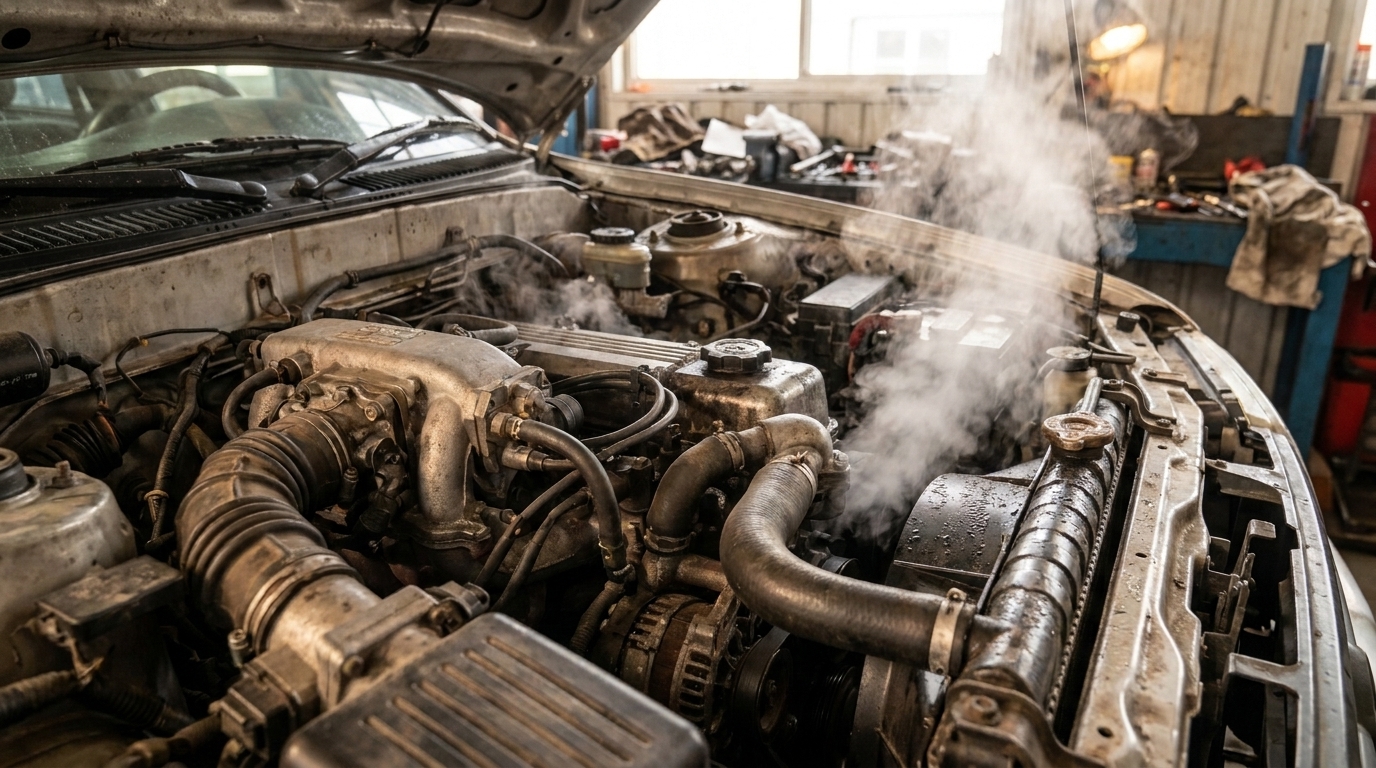
If your temperature gauge suddenly rises or you receive an engine-temperature warning, don't simply keep driving and hope it settles down.
An overheating engine can have several possible causes, including problems within the cooling system.
You might also notice:
Coolant underneath the vehicle
Steam
A sweet smell
The temperature gauge running higher than usual
Coolant levels repeatedly dropping
Continuing to drive an overheating vehicle can turn a repairable problem into serious engine damage.
If your car is overheating, pull over somewhere safe, switch the engine off and seek advice before continuing.
4. Tyre and Wheel Problems
Your tyres are the only part of your car actually in contact with the road, so their condition matters.
Problems aren't limited to obvious punctures.
Watch for:
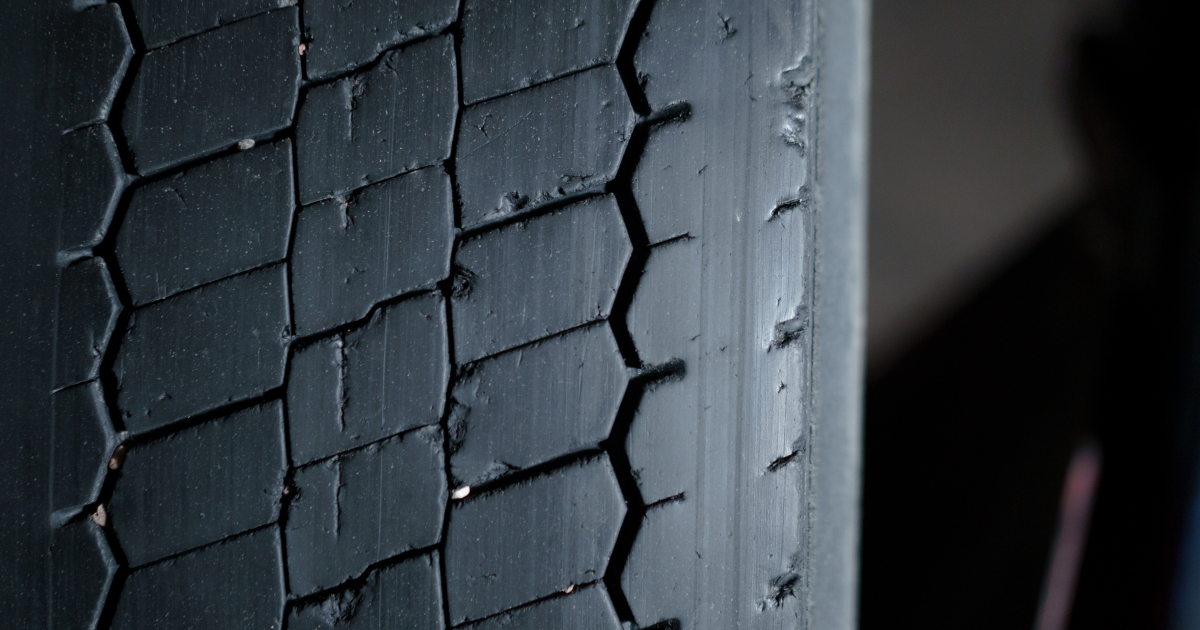
Uneven tyre wear
Regular loss of tyre pressure
Vibration through the steering wheel
The car pulling to one side
Visible tyre damage
Reduced grip
Uneven wear can sometimes indicate an underlying issue rather than simply worn tyres.
Checking tyre pressure and condition regularly is one of the simplest things you can do yourself between services.
5. Dashboard Warning Lights
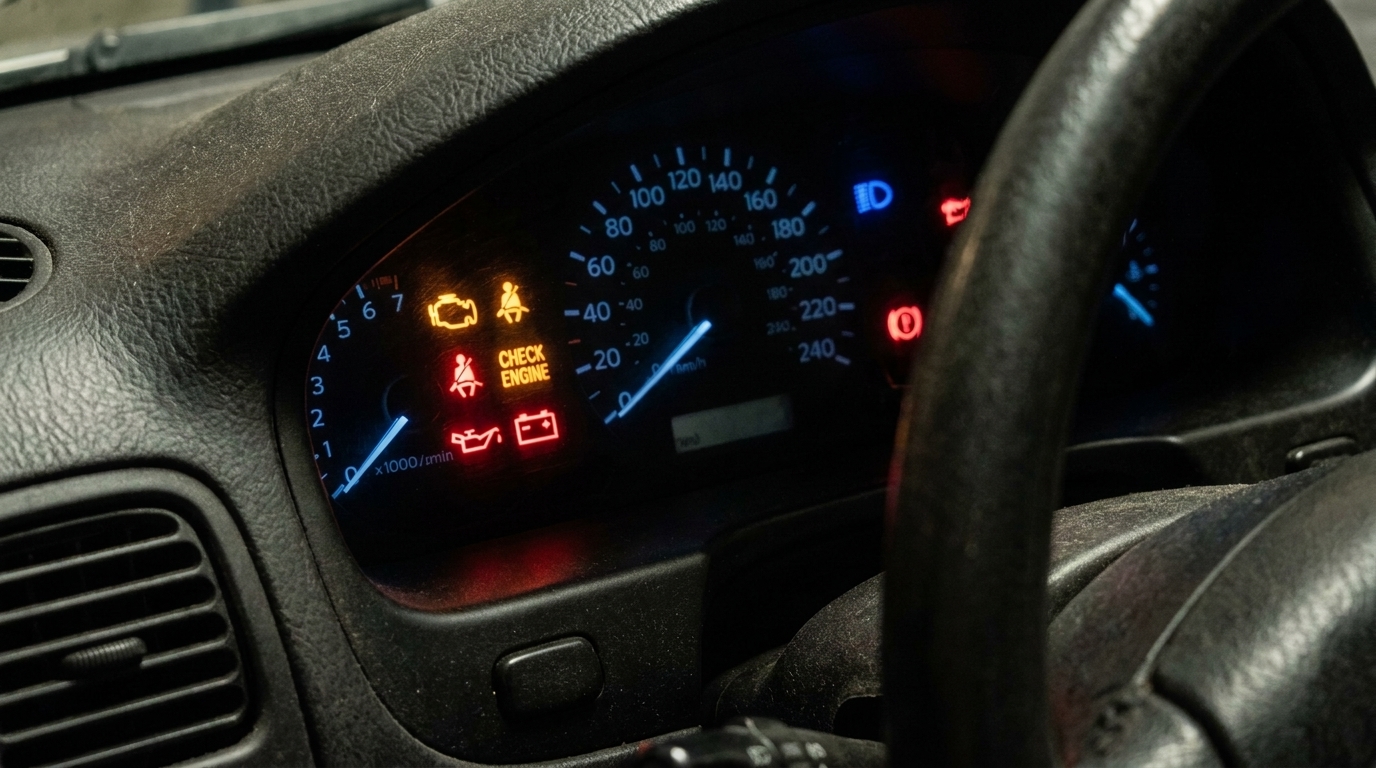
Modern cars monitor a huge number of systems, which means a dashboard warning light can have many possible causes.
The mistake is either panicking immediately or ignoring it indefinitely.
Neither is particularly useful.
Some warnings require urgent action. Others indicate something that needs diagnosis but may not prevent you from driving safely.
Your owner's manual can help identify what a warning light means, but determining why it has appeared may require diagnostic testing.
If a warning light appears and you're unsure what to do, ask before continuing to drive.
Small Changes Are Worth Paying Attention To
One of the best things you can do as a car owner is simply notice when something changes.
You don't need to know what's wrong.
Tell your mechanic:
"It didn't used to do this."
That information can be surprisingly useful.
A new noise, smell, vibration, warning light or change in performance doesn't automatically mean an expensive repair. But investigating it earlier can often give you more options than waiting until the vehicle stops working altogether.
Key Takeaways
If you only remember a few things from this list, make it these:
A battery that keeps going flat has a reason, find it before replacing anything
Brakes that sound or feel different are worth an inspection, not a guess
An overheating engine means pull over now, not "see if it settles"
Uneven tyre wear can point to a bigger issue than just the tyres
A warning light deserves a look either way, not panic and not ignoring it
Something doesn't feel right with your car?
At Macro Auto Services in Mitcham, we service, inspect, diagnose and repair vehicles for customers throughout Mitcham and the surrounding eastern suburbs.
If your car is making a new noise, displaying a warning light or simply doesn't feel right, we can take a look and work out what's going on.
🔧 BOOK YOUR CAR IN
Or call 9874 8744 if you're unsure whether it's safe to keep driving.