Why Is My Car Using More Fuel Than It Used To?
If you're filling up more often than usual, here's what could be behind it and when it's worth getting checked.
Have you noticed you're filling up more often even though your driving habits haven't changed much?
An increase in fuel consumption doesn't necessarily mean there's something seriously wrong with your car. Driving conditions, tyre pressure and even the way you use the vehicle can all affect fuel use.
But if your car is suddenly using noticeably more fuel than it used to, it can also be a sign that something needs attention.
Here are some of the things worth considering.
1. Check Your Tyre Pressure
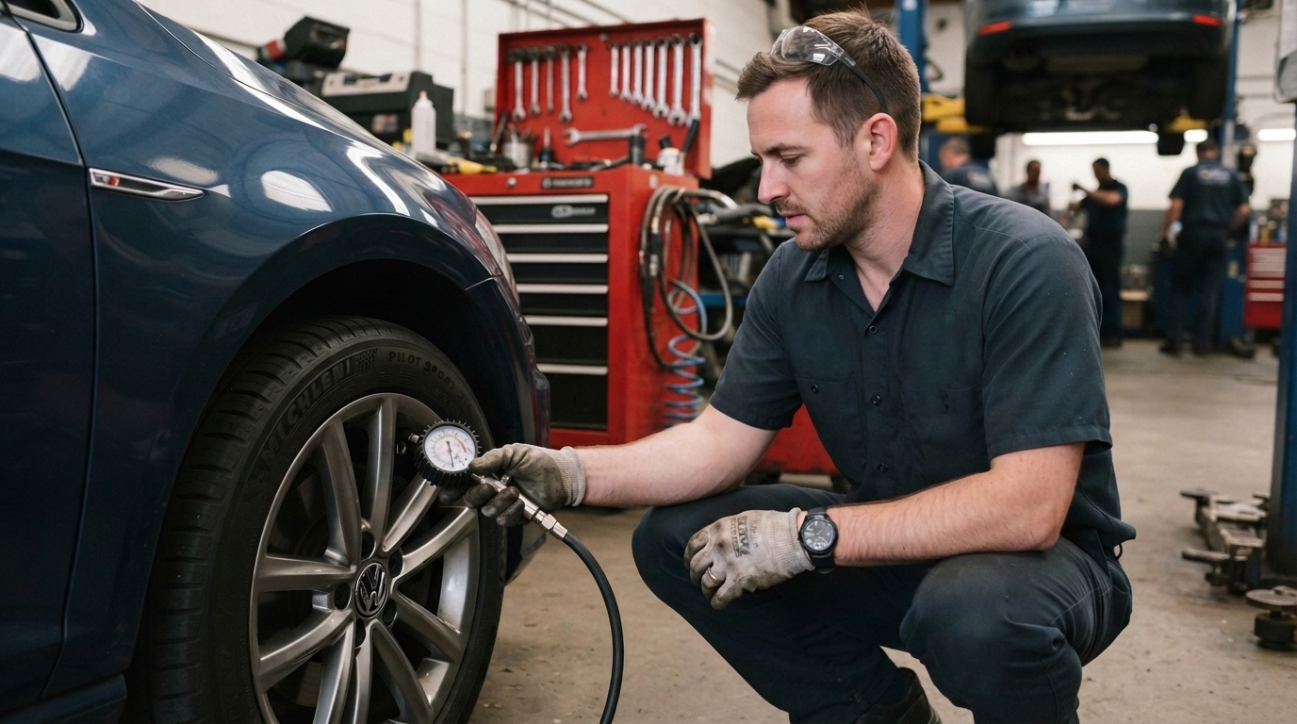
Underinflated tyres create more rolling resistance, which means your engine has to work harder to move the car.
Tyre pressure can gradually drop over time, so it's worth checking regularly rather than waiting until a tyre visibly looks low.
Use the recommended pressures for your vehicle rather than guessing. You'll usually find them on the tyre placard inside the driver's door area or in your owner's manual.
Correct tyre pressure isn't just about fuel use, it also affects tyre wear, handling and safety.
2. Think About Whether Your Driving Has Changed
Sometimes the car hasn't changed. The driving has.
More short trips, heavier traffic, extended idling, frequent acceleration and braking, towing or carrying additional weight can all affect how much fuel you're using.
Even a change in your daily commute can make a noticeable difference.
Before assuming there's a mechanical problem, compare how you're using the vehicle now with how you were using it when your fuel consumption was lower.
3. Don't Overlook Regular Servicing
A car is a collection of systems working together.
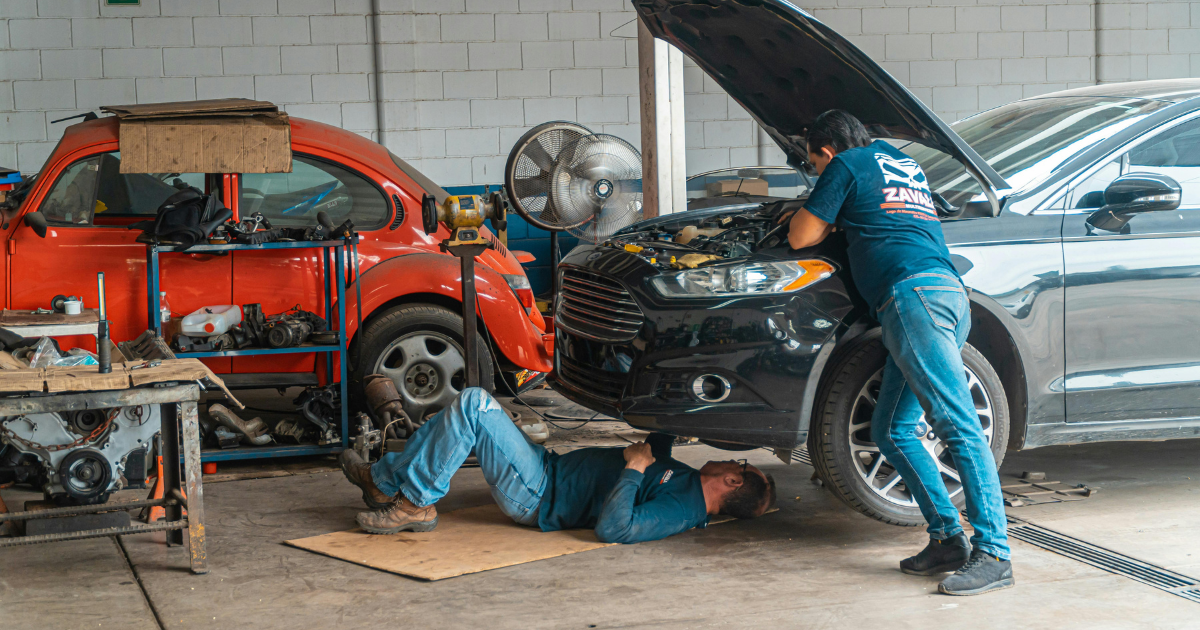
Regular servicing gives your mechanic an opportunity to inspect the vehicle, replace service items when required and identify things that may be affecting how efficiently the engine is operating.
If your servicing is overdue and you've noticed a change in fuel consumption or performance, that's another reason to have the vehicle checked.
4. Pay Attention to Other Symptoms
Higher fuel consumption becomes more interesting diagnostically when something else has changed at the same time.
For example:
The engine feels less responsive
The car is harder to start
The engine idles differently
A warning light has appeared
You notice unusual exhaust smoke
There's a new smell
The vehicle isn't running as smoothly as usual
Those additional symptoms can help your mechanic work out where to start looking.
5. A Warning Light Can Provide an Important Clue
Modern vehicles use sensors and computer systems to monitor how the engine is operating.
If something isn't working as expected, you may see a warning light on the dashboard.
A diagnostic scan can provide information about what the vehicle's computer has detected, but a fault code isn't necessarily the complete diagnosis.
The job is to determine why the fault has occurred, rather than simply replacing whatever component appears in a code description.
6. Consider What You're Carrying
It's easy for the boot to become permanent storage.
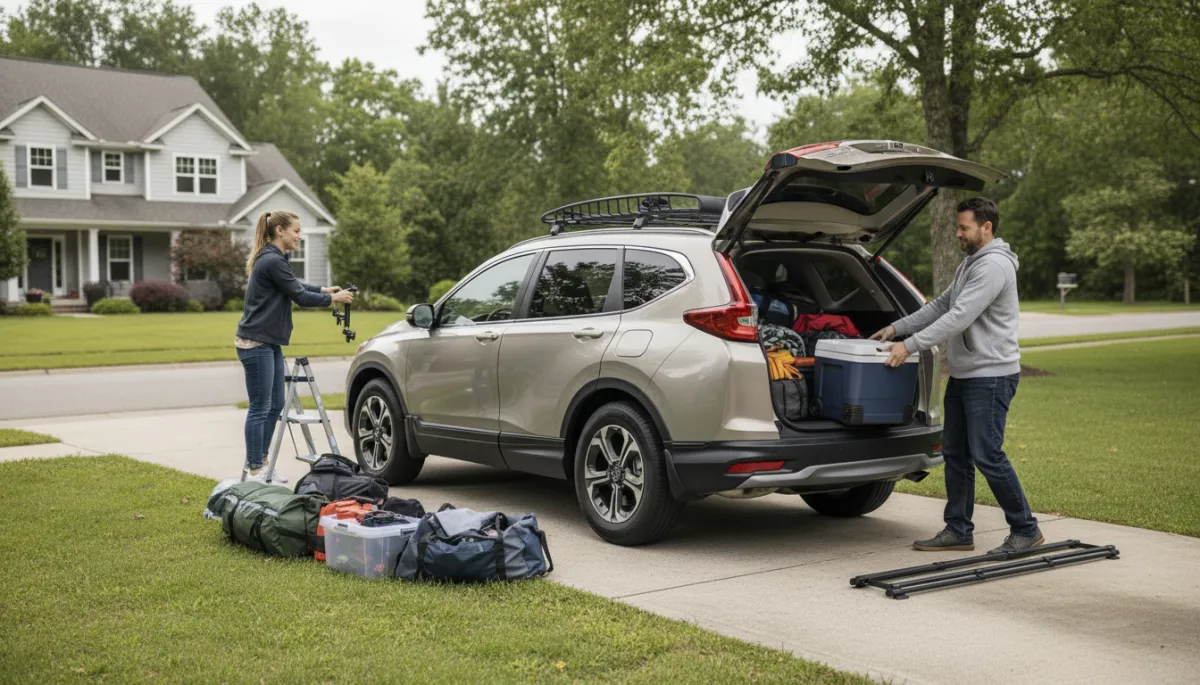
Tools, sporting equipment and other items all add weight. Roof racks and roof-mounted equipment can also affect aerodynamic drag.
You don't need to empty the car every time you drive, but if you're carrying things around that you rarely use, removing them is a simple place to start.
7. Compare Properly Before Deciding There's a Problem
Fuel gauges aren't particularly precise measures of consumption.
If you're concerned that your car is suddenly using more fuel, track it over several fills.
Record:
Kilometres travelled ÷ litres used
Or, more commonly in Australia:
Litres used ÷ kilometres travelled × 100 = L/100 km
That gives you something meaningful to compare.
For example, if you use 50 litres to travel 500 kilometres:
50 ÷ 500 × 100 = 10 L/100 km
Compare several tanks rather than relying on one fill, particularly if your driving conditions vary.
When Should You Have It Checked?
A small variation in fuel consumption isn't necessarily cause for concern.
But if you notice a clear and sustained increase without an obvious change in how you're using the car, particularly if it's accompanied by another symptom, it's worth investigating.
Sometimes there will be a straightforward explanation.
Other times, increased fuel consumption is simply one of the first clues that something isn't operating as it should.
The Short Version
If you only remember a few things from this list, make it these:
Check your tyre pressure before you check anything else
Think about whether your driving has actually changed
Don't let overdue servicing go unnoticed
Watch for other symptoms showing up alongside the fuel increase
Take a warning light seriously, but let a proper diagnosis guide the fix
Clear out excess weight you're carrying around for no reason
Track your fuel use over several fills, not just one
Has your car started using more fuel?
At Macro Auto Services in Mitcham, we can service your vehicle and investigate changes in fuel consumption, performance, warning lights or the way your engine is running.
Rather than guessing, or replacing parts unnecessarily, we can diagnose what's happening and advise you on what actually needs attention.